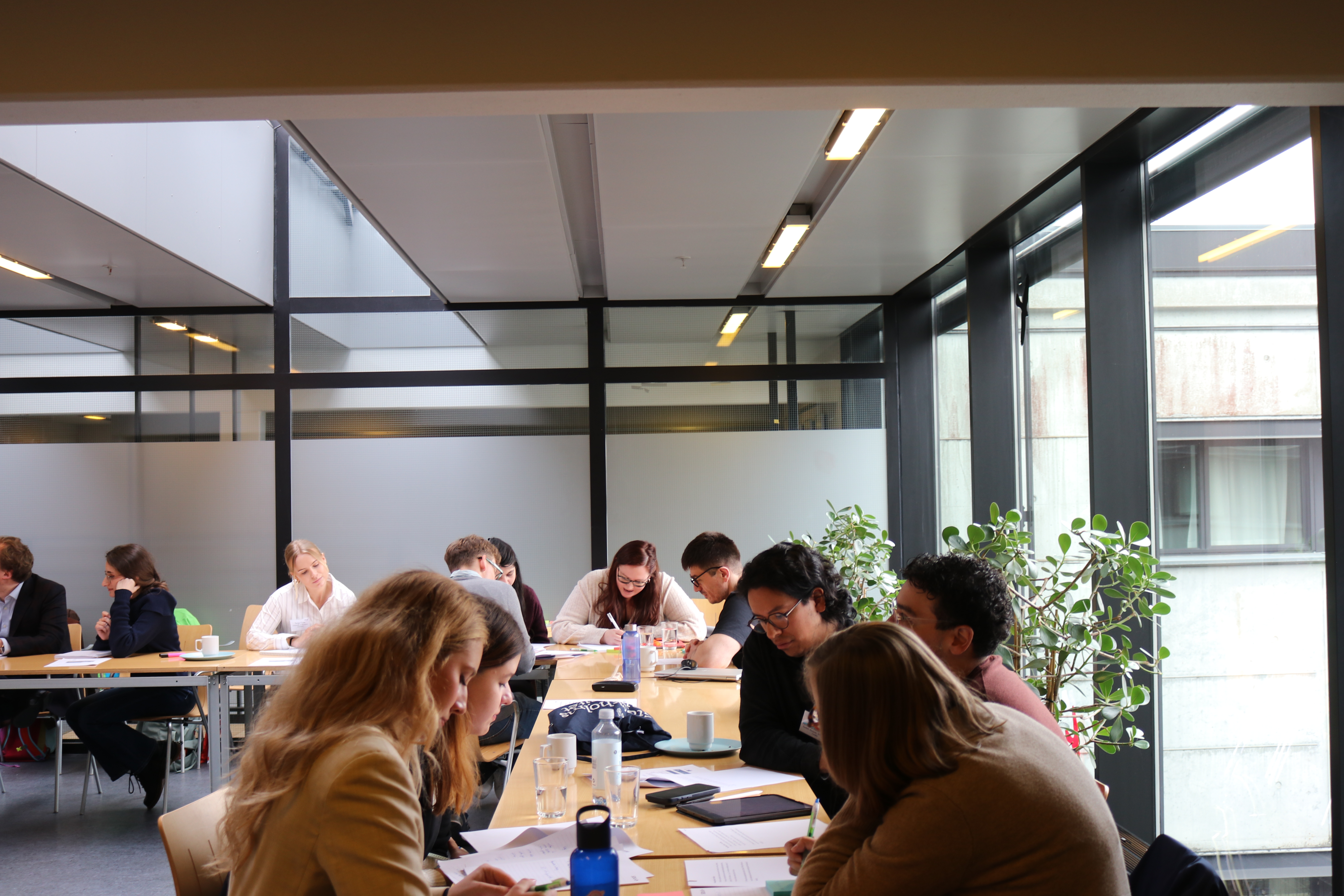
The workshop A Unified Perspective on Formation and Dissolution Processes in Demography, held in Odense on 9–11 March 2026, brought together researchers working on families, households, partnerships, fertility, and related demographic processes. Over three days, the workshop created space for lively discussion and exchange across topics and approaches, highlighting how formation and dissolution processes can be studied within a shared demographic framework. The event reflected the broader aims of the Born Once - Die Once project and opened new directions for future research.
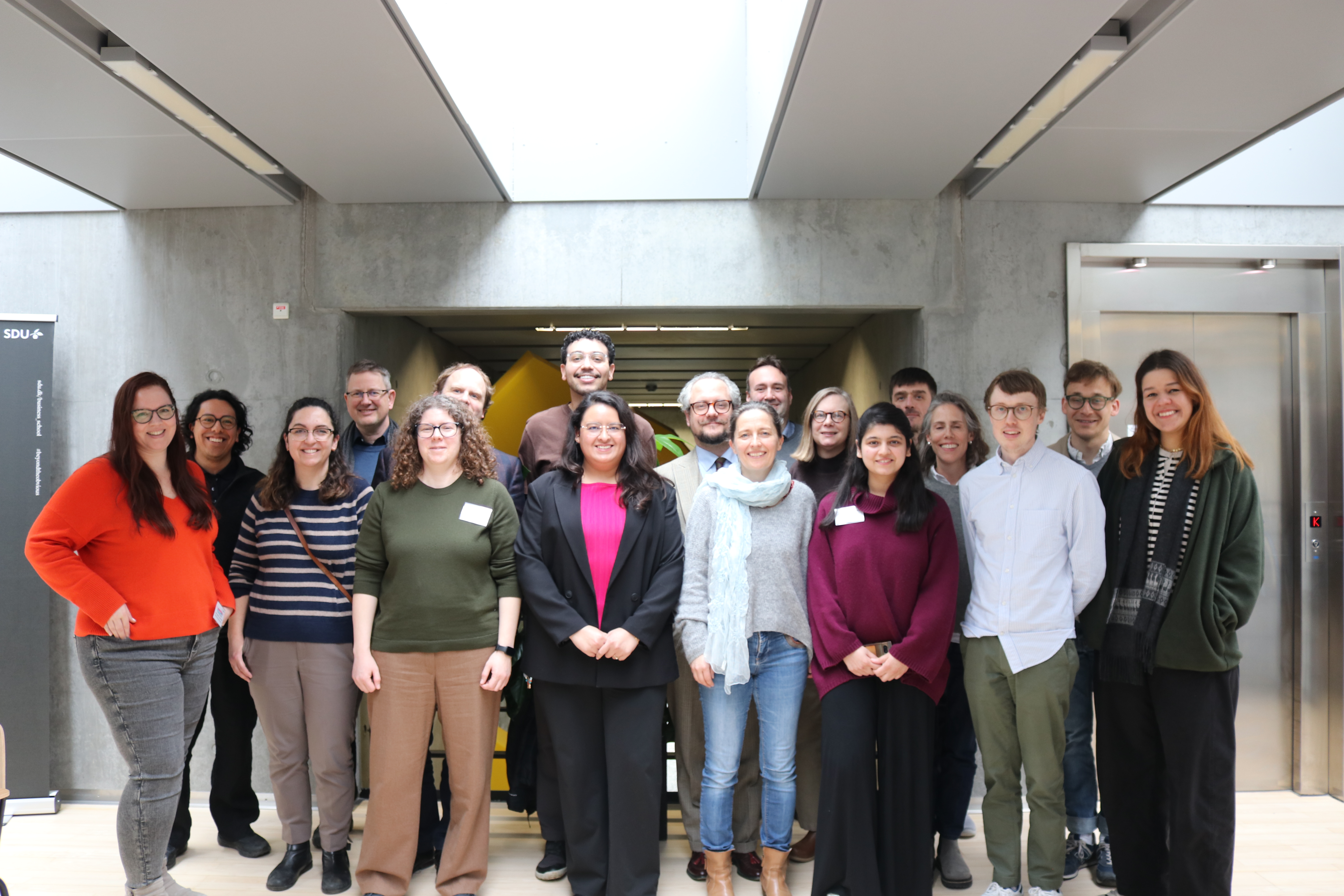
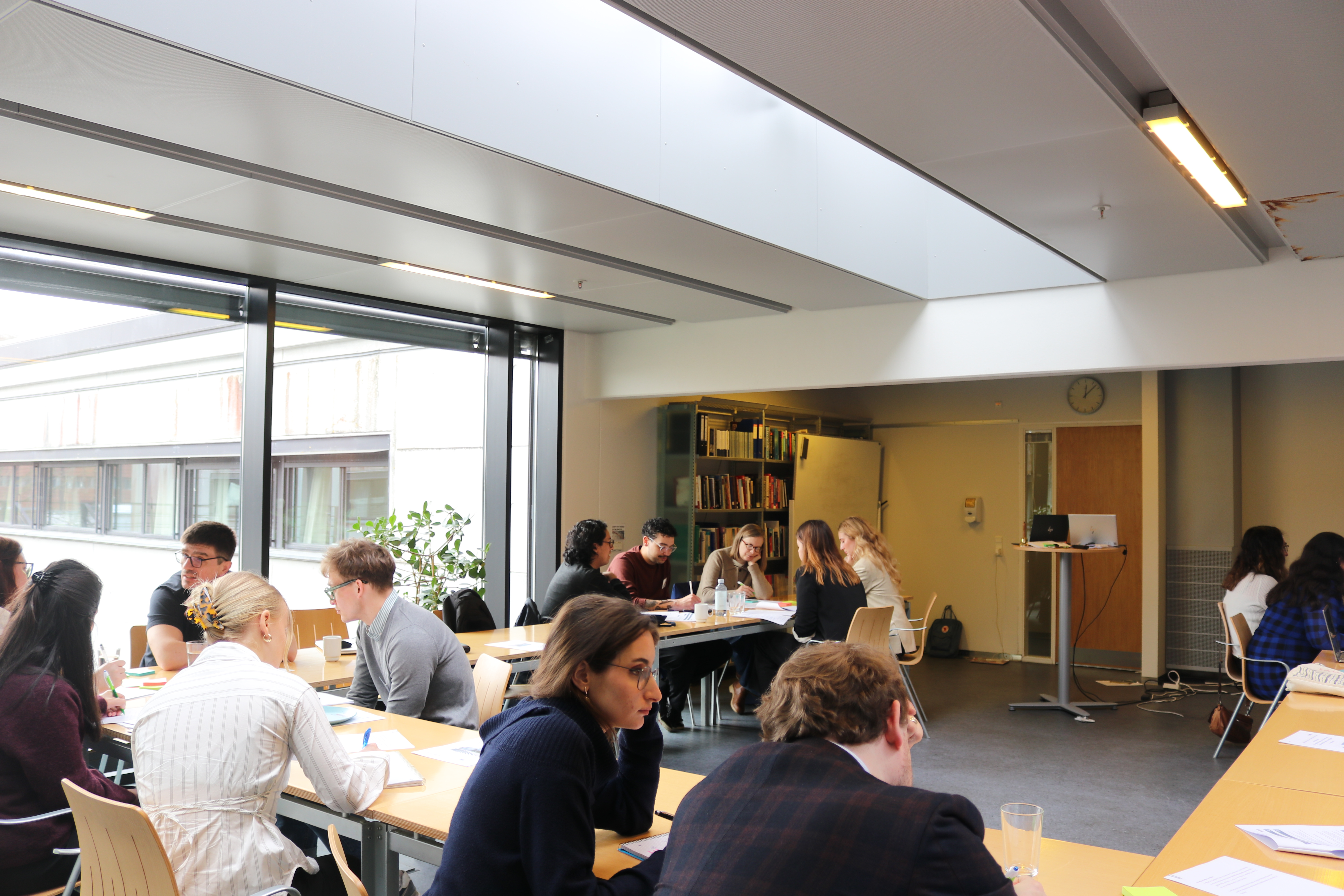
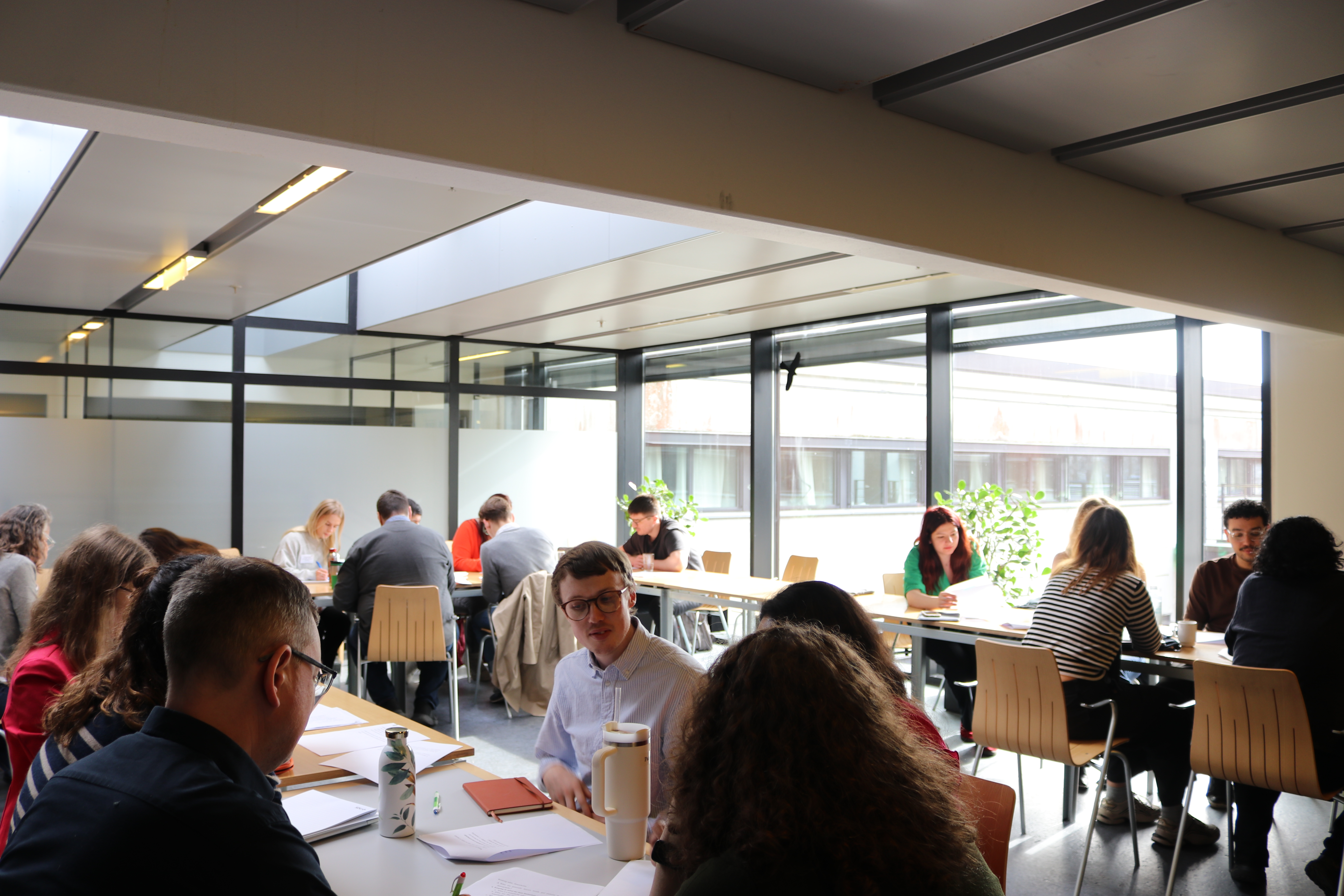
We are very grateful to all participants and our keynote speakers for making the workshop such a stimulating and enjoyable event. Below you can find the programme schedule with links to some of the presentations, information on the keynote speakers, and selected photos from the workshop.
Programme Schedule
Day 1: Monday, March 9, 2026
- Welcome and introductions
- ERC project presentation: B1D1 approach and results
- Q&A and discussion on the ERC approach
Day 2: Tuesday, March 10, 2026
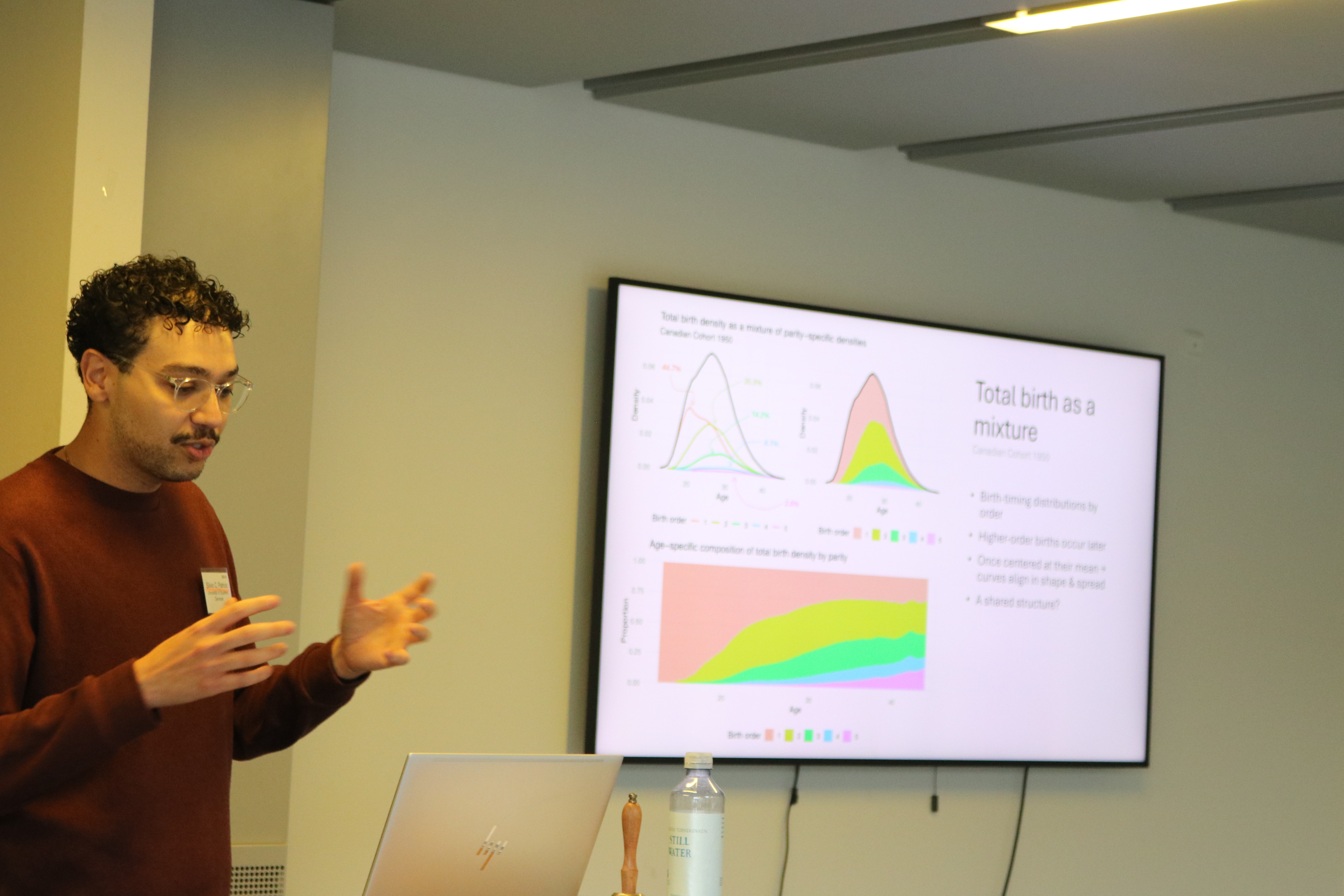
Silvio C. Patricio (University of Southern Denmark)
Birth Order and the Structure of Birth Timing
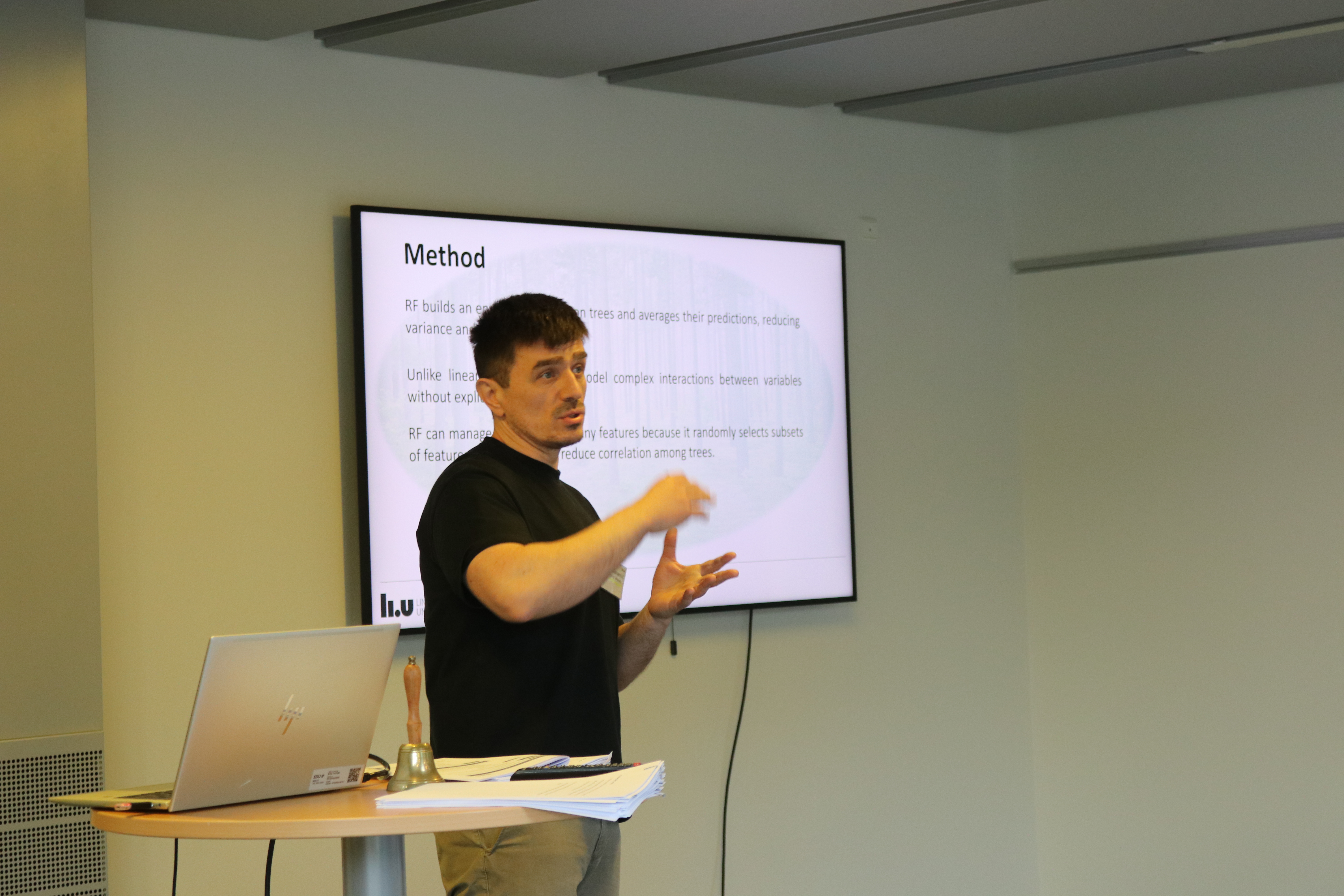
Miloš Milovanović (Linköping University)
Fertility and Life Expectancy: Predictive (A)symmetries across OECD Countries, 2000-2024
Click here to see presentation
Serena Vigezzi (University of Southern Denmark) & Annette Baudisch
A uniform pace of somatic and reproductive ageing
Click here to see presentation
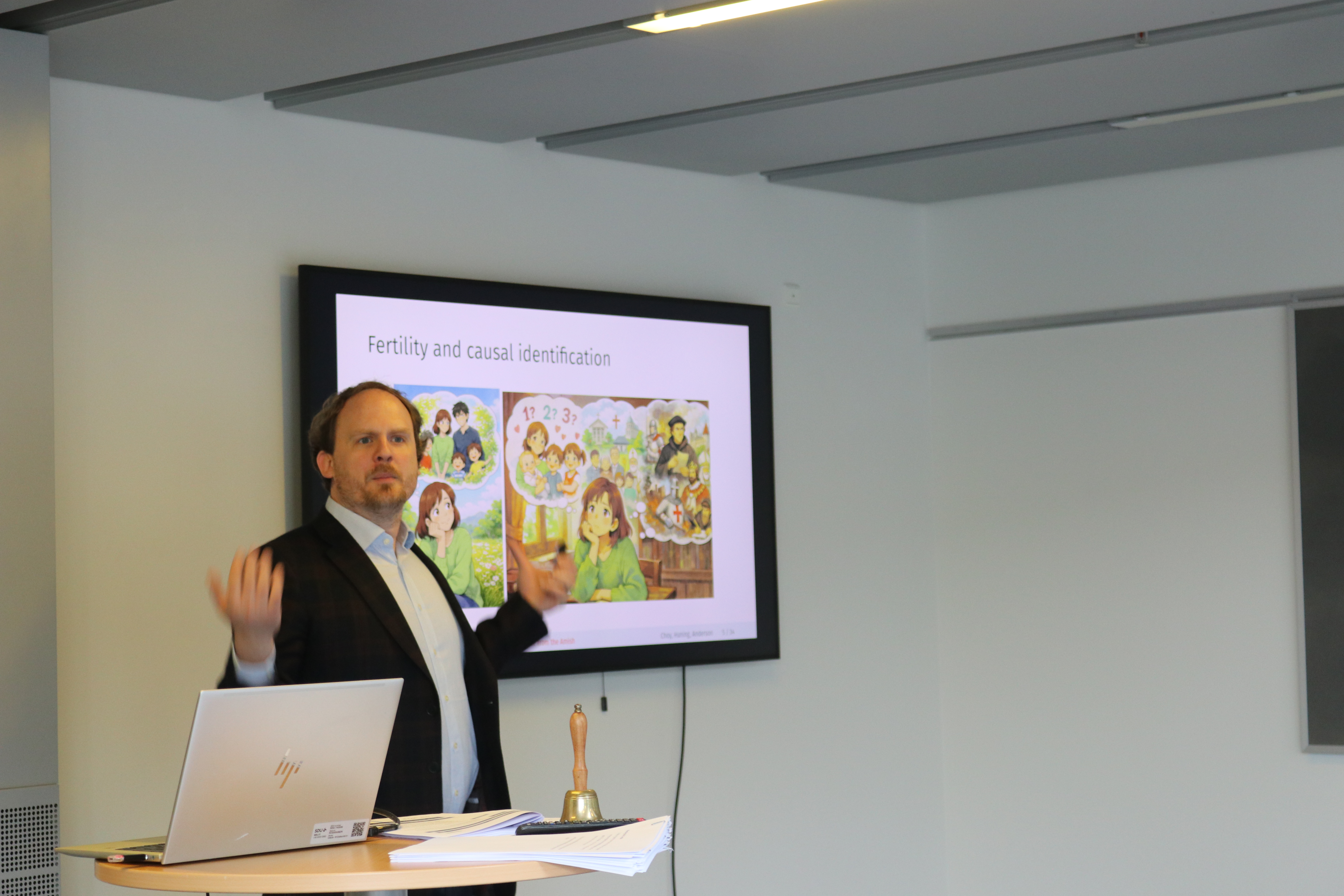
Thilo Huning (University of York), James Choy, and Cory Anderson
Social function of religion
Click here to see presentation
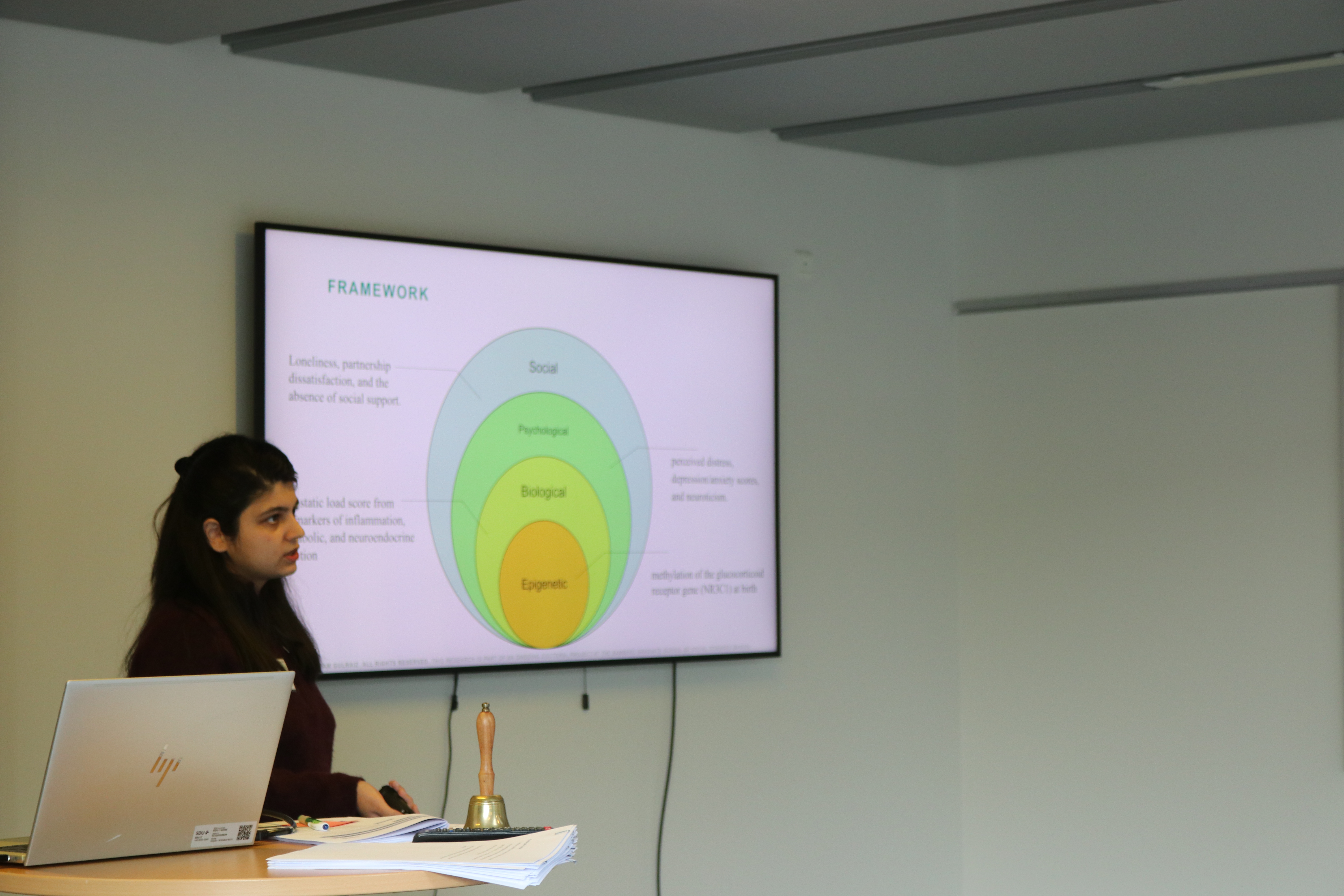
Maryam Gulraiz (University of Bamberg)
Maternal Biopsychosocial Stress and Subsequent Fertility Behavior in Norway
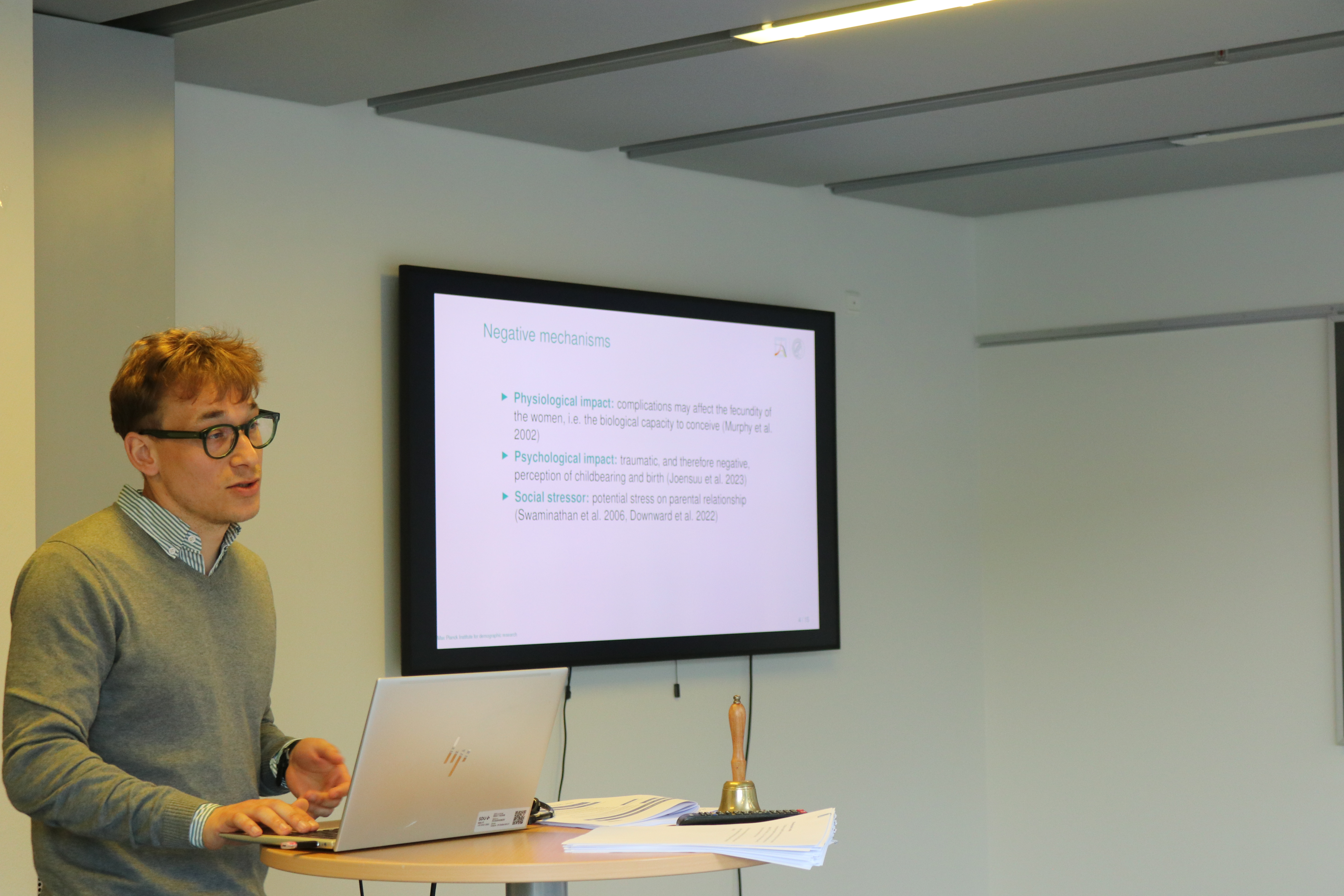
Henrik Schubert (Max Planck Institute for Demographic Research), Øystein Kravdal & Emilie Steentoft Dahlberg
Postpartum Health Complications and Subsequent Childbearing
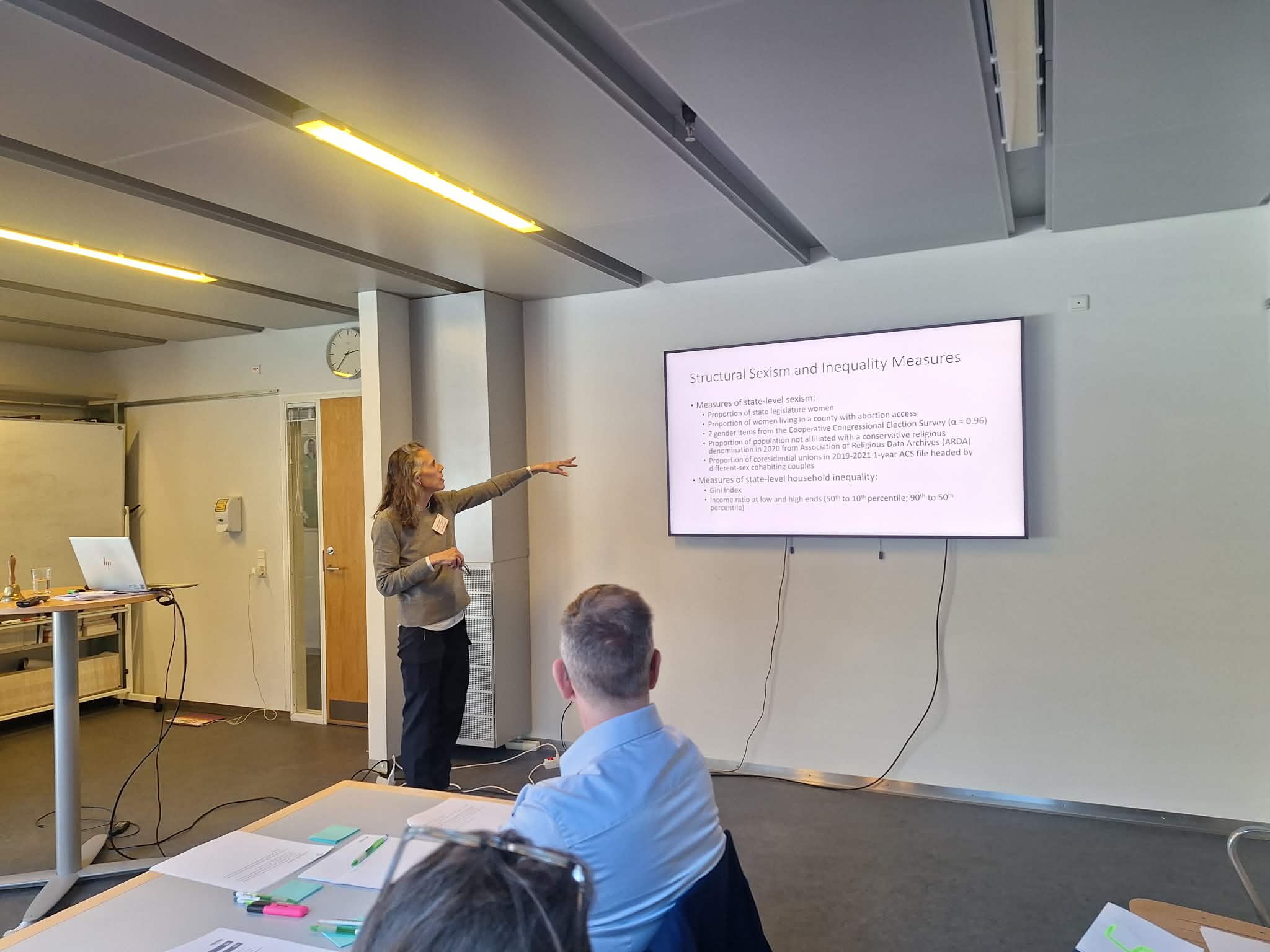
Kara Joyner (University of Texas at San Antonio) & Jenjira Yahirun
Structural Heteropatriarchy and Marriage among Young Adults
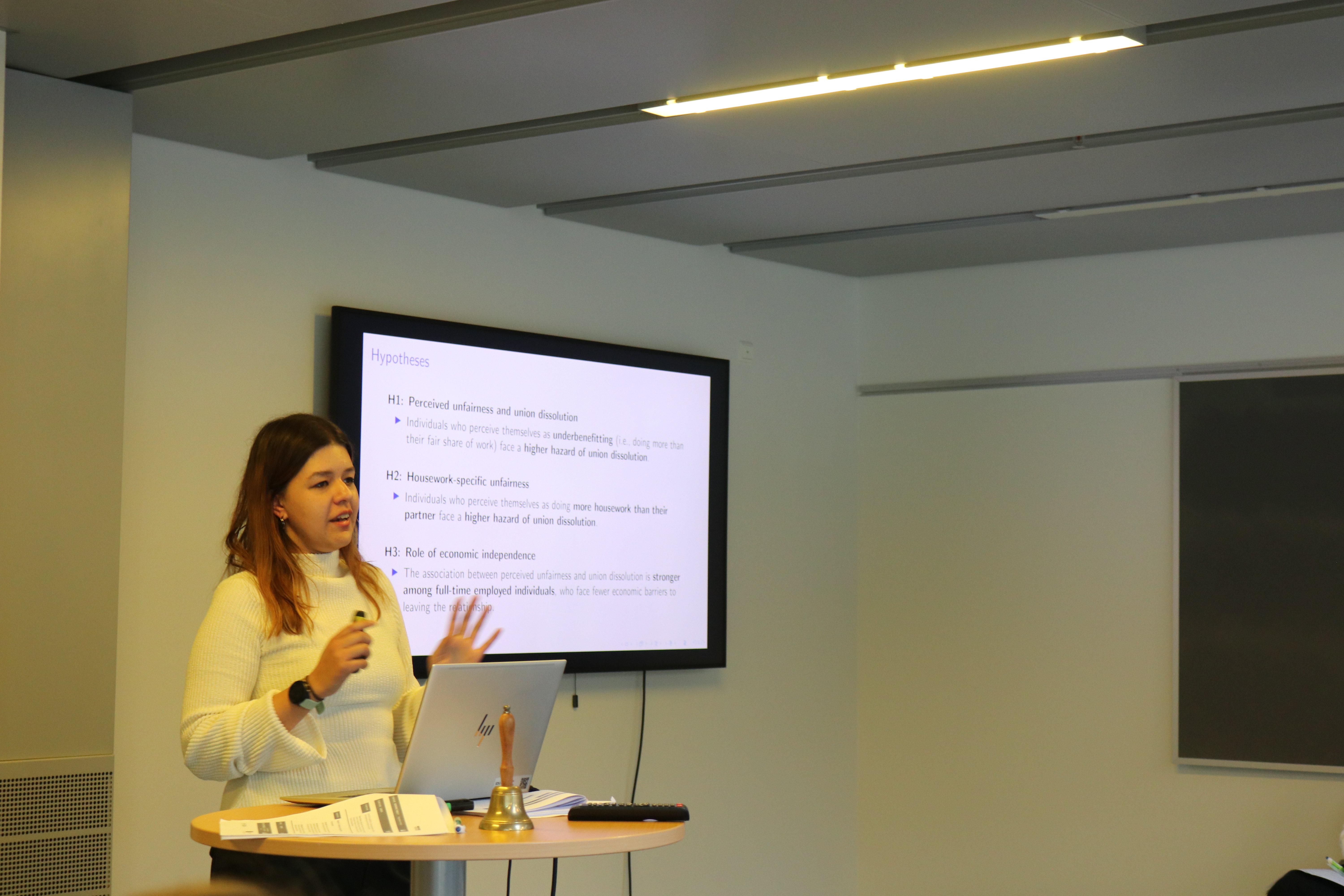
Sofía García Durrer (Dynamics RTG / Hertie School and Humboldt University Berlin), Tabea Naujoks & Heike Trappe
Till Chores Tear Us Apart: Perceived Unfairness in Household Labor Division and the Risk of Union Dissolution among Different-Sex Couples in Germany
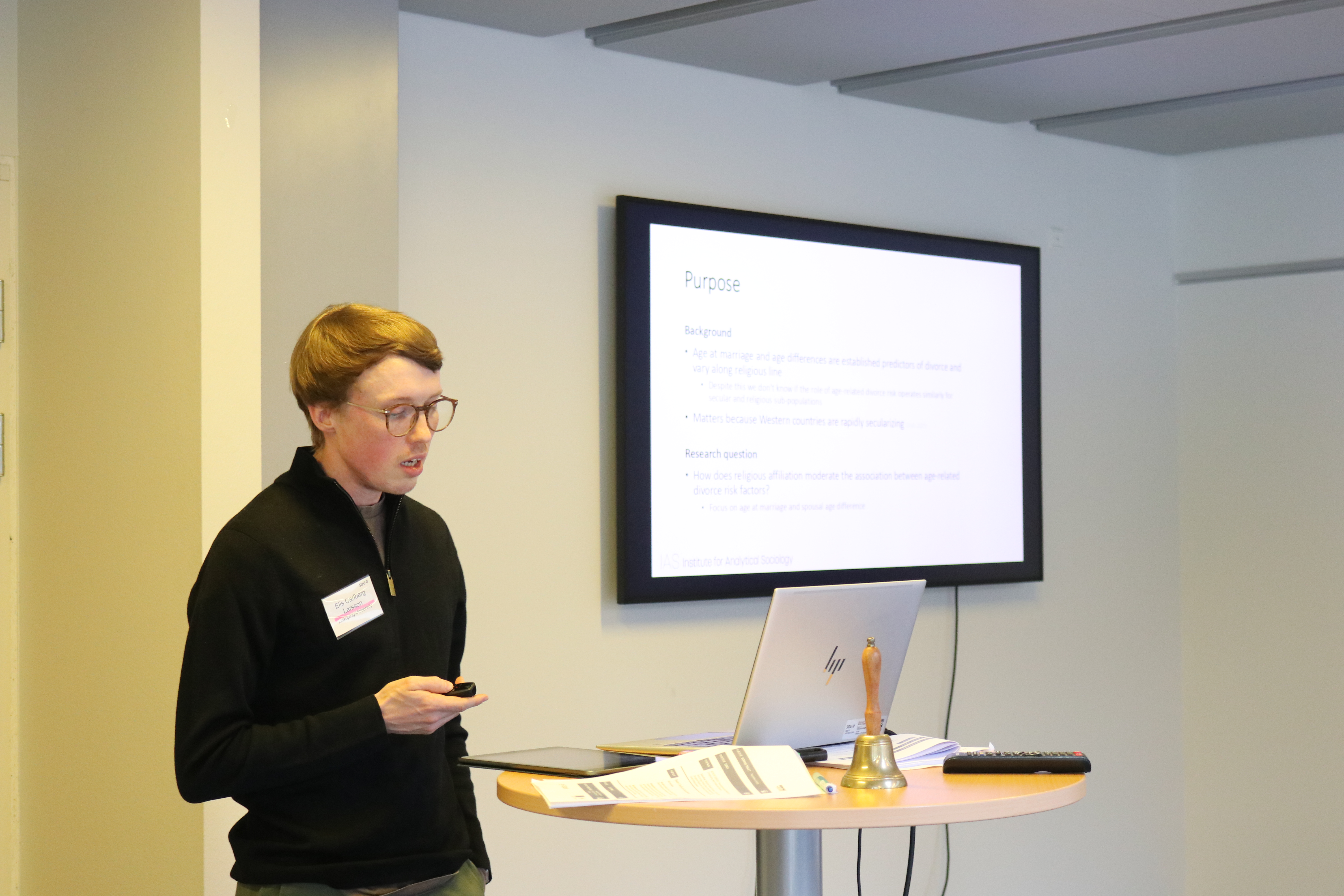
Elis Carlberg Larsson (Linköping University), Martin Kolk & Vegard Skirbekk
Religion, age at marriage & age difference: how religious affiliation alters age-related divorce risks in Sweden
Click here to see presentation
Day 3: Wednesday, March 11, 2026
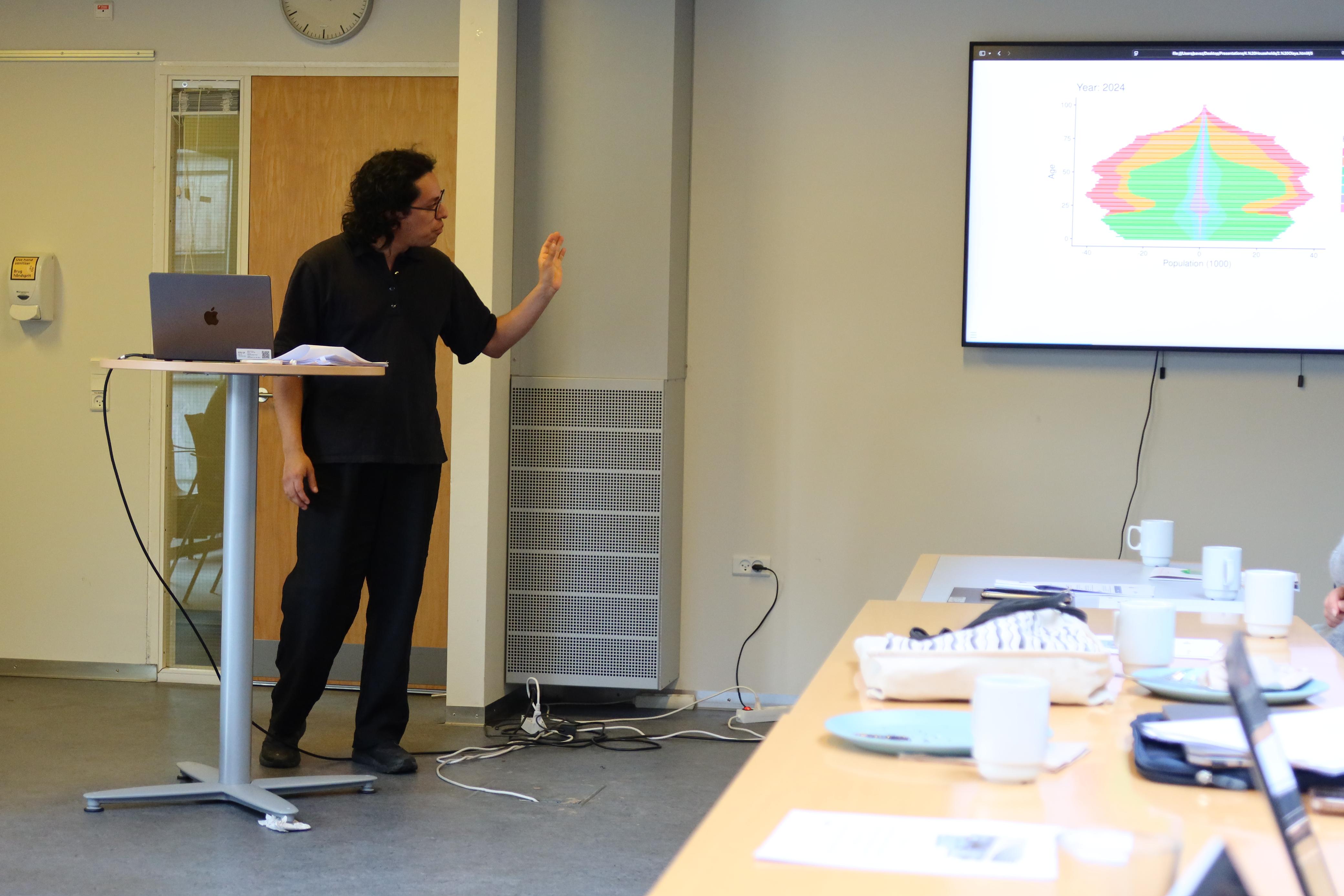
Orlando Olaya Bucaro (International Institute for Applied Systems Analysis, Wittgenstein Centre) & Samir KC
Projecting Households under the Shared Socioeconomic Pathways Using a Life Course Approach
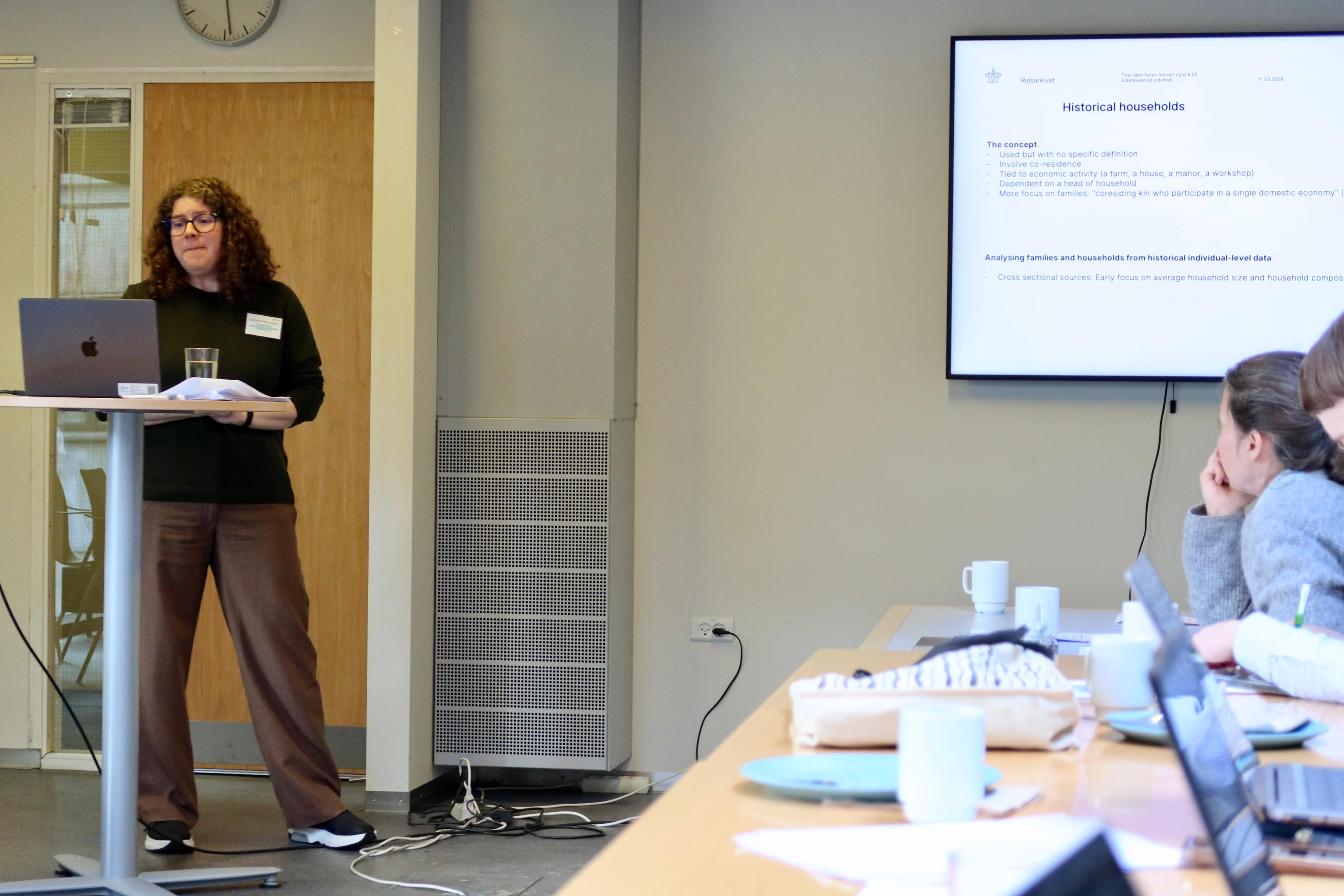
Barbara Revuelta-Eugercios (Rigsarkivet)
Households from a historical demographic perspective: from average household sizes to the lifecourse approach
Click here to see presentation
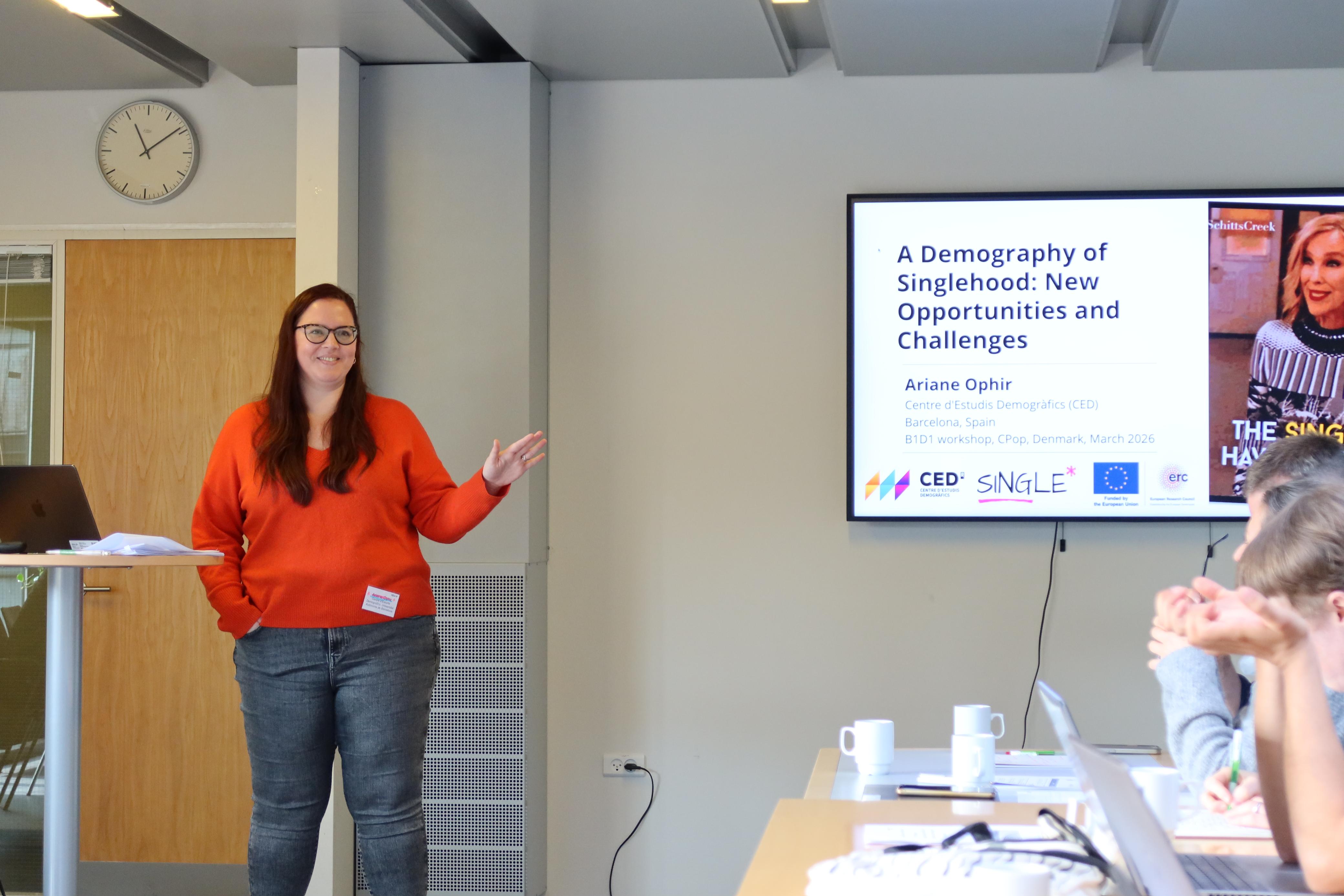
The Demography of Singlehood: What a Population Perspective Reveals About Formation–Dissolution Dynamics Click here to the project's website
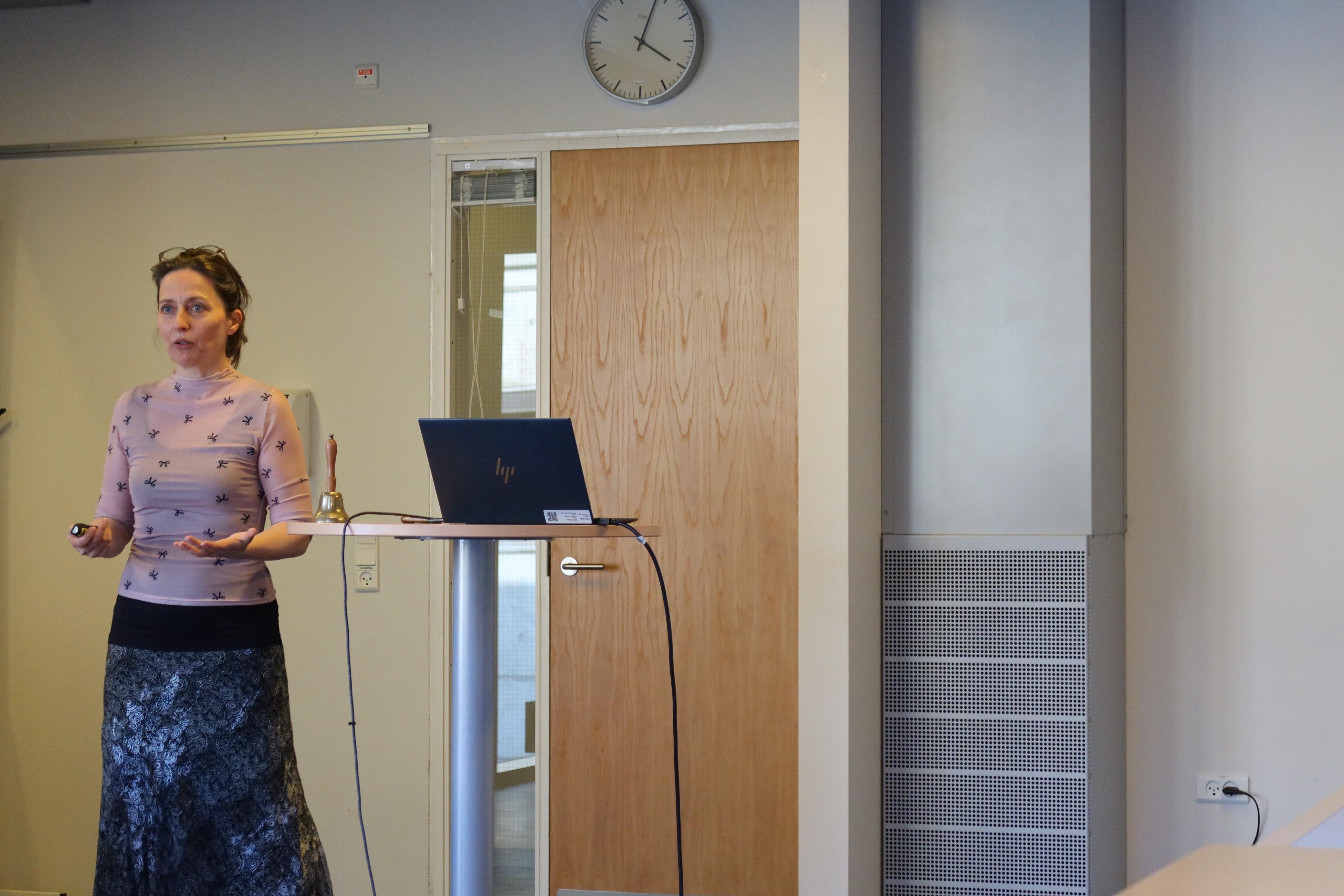
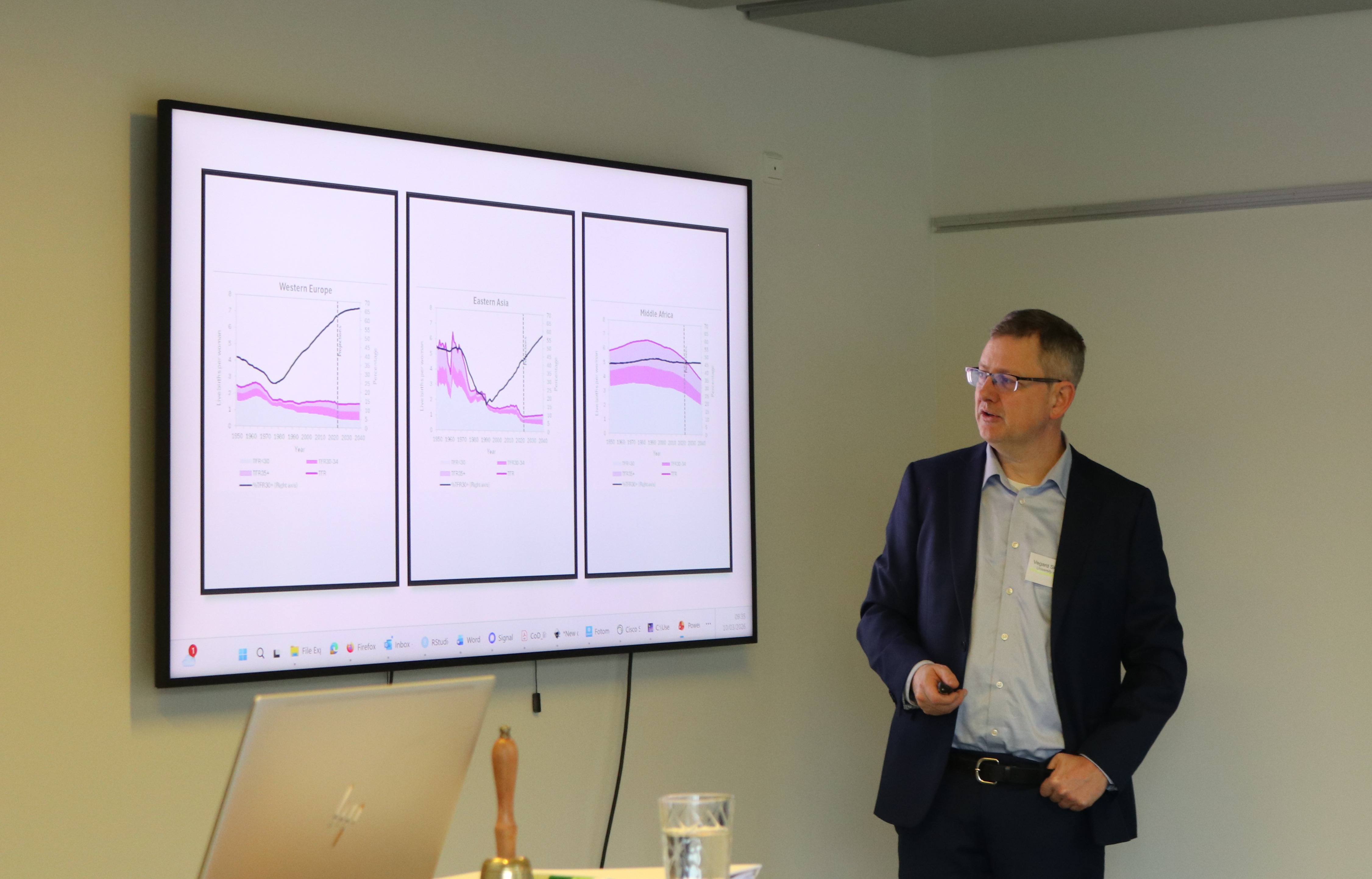
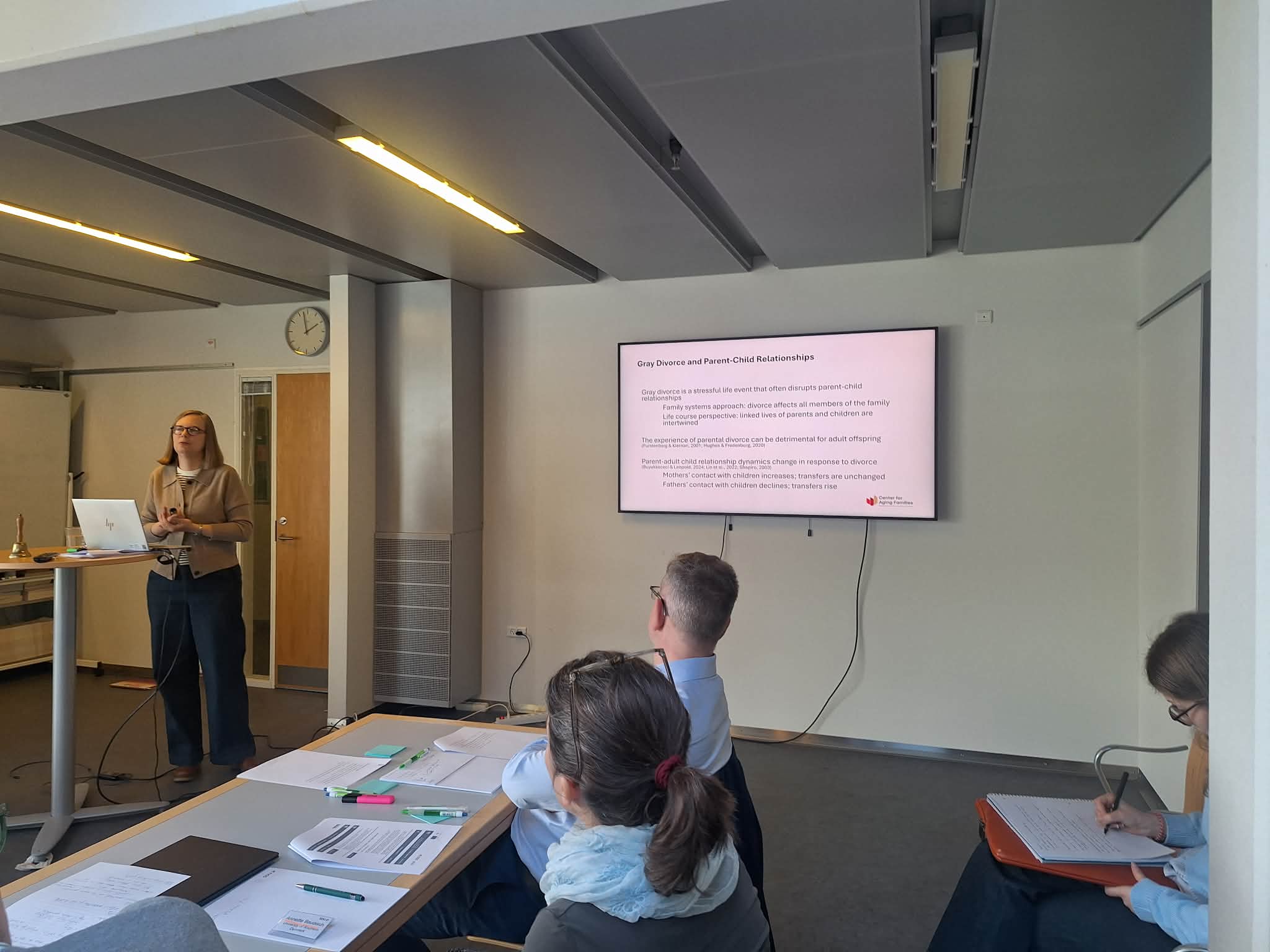
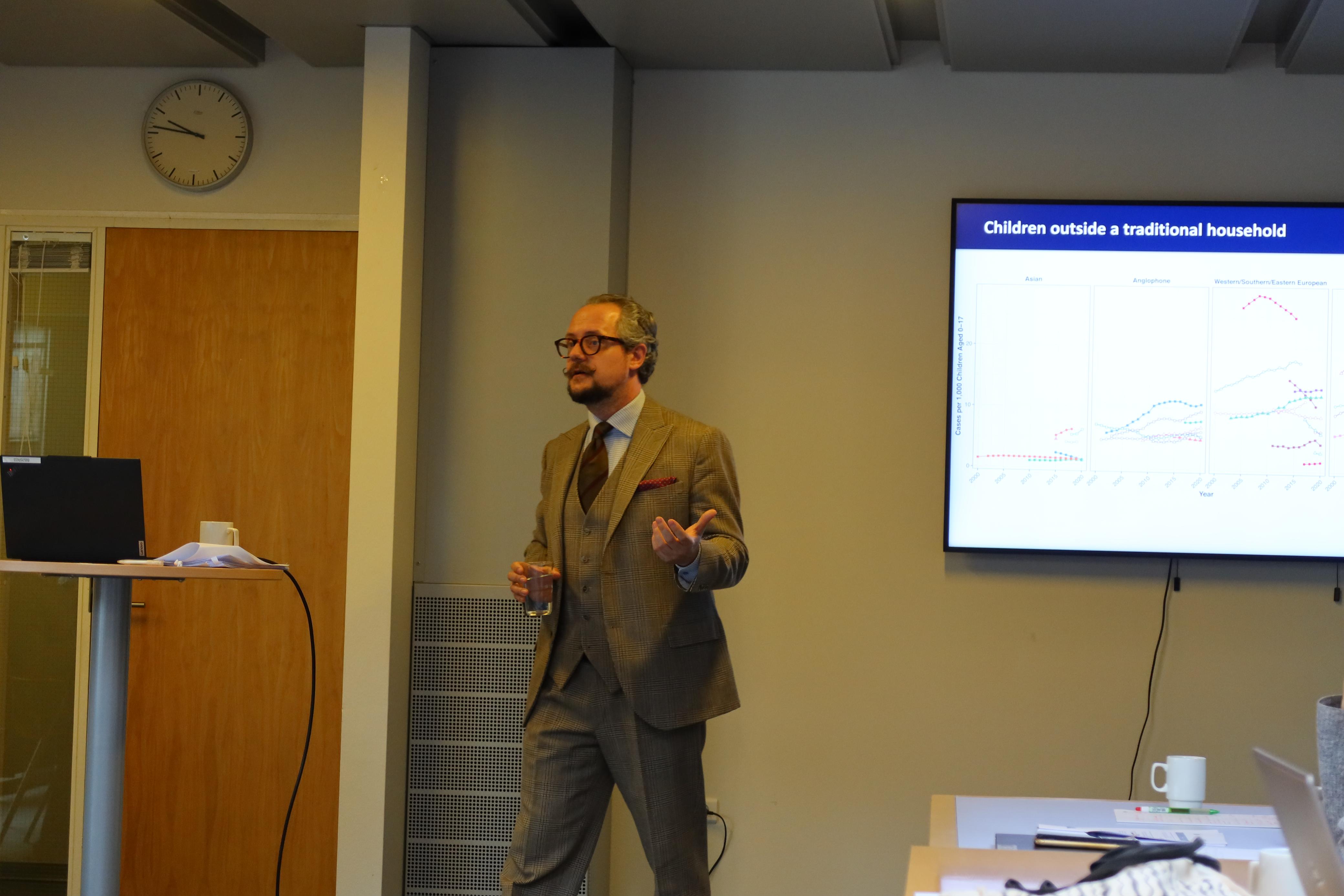
Photo Gallery
Call for Papers
The ERC project Born Once – Die Once invites contributions to a workshop investigating regularities in birth and death patterns – broadly defined – that is, not just birth and death as in “fertility and mortality of people”, but also as in “formation and dissolution of couples, families, and households”. We are seeking to develop a shared formal demographic framework and to discover shared empirical macro-level regularities.
Emerging results are promising, which will be presented at the workshop.
The workshop will feature keynote presentations by distinguished scholars in fertility, mortality, couple, family, and household demography, followed by contributed paper sessions and roundtable discussions.
We warmly welcome you to join and present at our workshop. Presentations can bring diverse perspectives to formation and dissolution processes, including empirical studies, methodological innovations, and theoretical insights. Contributions focusing on identifying and analyzing macro level patterns, rather than causal mechanisms, are particularly encouraged. We also invite contributions on birth and death processes from diverse disciplinary perspectives.
The workshop strives to open new perspectives on birth/formation and death/dissolution as mirrored processes that may complement and inspire existing research on fertility, couple, family, and household dynamics. We anticipate a substantive exchange that enables diverse future collaborations.
Submission Guidelines
Submissions should include a structured abstract (up to 300 words) addressing:
- Background
- Objectives
- Data
- Methodology
- Results (actual or expected)
Full research papers are also welcome.
How to Submit
If you are interested in contributing, please send your abstract to b1d1@sdu.dk by 19th December 2025.
Please include:
- Provisional title
- Full name(s) of author(s)
- Affiliations (full name of organization and department)
- E-mail address
Notification: Applicants will be notified by 15 January 2026 whether their paper has been accepted.
Participation fees: There are no participation fees, but participants are expected to cover their own travel and accommodation expenses.
Place and Date
The workshop is scheduled for 9-11 March 2026 at the University of Southern Denmark in Odense (www.sdu.dk).
Contact
For any questions or additional information, please contact us at b1d1@sdu.dk.
We are looking forward to your contributions and to welcoming you in Odense for an enriching and collaborative workshop.
Consider signing up to our B1D1 mailing list to be reminded about deadlines for the workshop and to stay updated on future events, job postings and results of the Born once – Die Once project.
Workshop Organizers
Annette Baudisch & Paola Vázquez-Castillo
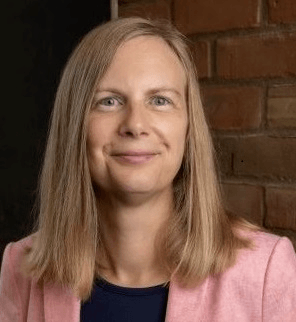
Keynote Speakers
Susan L. Brown


Peter Fallesen

Vegard Skirbekk